Window Light or a Nearby Lamp?
Window light vs. lamp light: choose the source that keeps faces readable and the mood consistent as your small home video scene unfolds.
Should you film beside a window or switch on a nearby lamp? For a small home video, window light vs. lamp light is a choice about control and continuity, not equipment quality. Start with what the scene needs to look like from shot to shot, then check which source your room can keep steady.
Start with the scene
Light does more than make a face visible. Its direction shapes what viewers notice: a window beside the subject can reveal facial detail while leaving the far side softer, while a lamp placed to one side can make a smaller, more defined pool of light. Neither look is automatically better.
Ask what the shot must communicate. If a character is quietly reading, soft daylight may suit the calm action. If a scene should feel intimate or slightly secretive, a lamp can help focus attention. Keep the story’s needs ahead of a general rule such as “daylight always looks natural.”
Then look at the room. Note where the subject will sit or stand, which direction they face, and what appears behind them. A bright window directly behind a face can turn the face dark on a phone camera. A lamp aimed at a pale wall may give a softer result than pointing its shade or bulb straight at the subject.
Window light shifts
A window is a large source, which often makes its light feel broad and gentle. It can illuminate a person without producing the sharp shadows a small, uncovered bulb may create. Move the subject closer to the window for more light, or turn them slightly to change how it falls across the face.
The catch is continuity. Clouds, passing sunlight, and the sun’s changing position can alter brightness and color during a scene. The camera may also change its exposure between shots if the window or a bright patch outdoors enters the frame. A take can look different from the next even when the phone stays in the same place.
To reduce those changes, choose a window with steady, indirect light rather than a patch of direct sun. Keep the subject and camera marks consistent, and avoid filming one part of the scene near the window and another under a different source unless that shift is intentional. If daylight changes noticeably, pause and compare the image before continuing.
A lamp stays put
A nearby lamp gives you a source you can switch on and place where the scene needs it. It is useful when the room is dim, the window is in the wrong position, or filming will continue after daylight fades. Because the lamp does not move with the sun, it can make repeated shots easier to match.
Its control has limits. A small lamp can create a bright spot and hard shadows, especially when it is close to the subject. Try moving it farther away or bouncing its light off a plain, light-colored wall or ceiling. Bouncing spreads the illumination, much like moving a desk lamp’s beam from a page onto the whole desk, though the room will also affect the result.
Check the bulb and the other lights already on. Different sources can cast visibly different colors on skin and nearby walls. A phone’s automatic color adjustment may change as you reframe, so avoid mixing a warm household bulb with cool daylight if the shift distracts from the scene. You can also turn off competing room lights and use one source consistently.
Choose for continuity
Continuity means the light remains believable across the shots that belong together. It does not require every frame to match perfectly. It does require avoiding accidental changes that make the scene seem to jump in time or place.
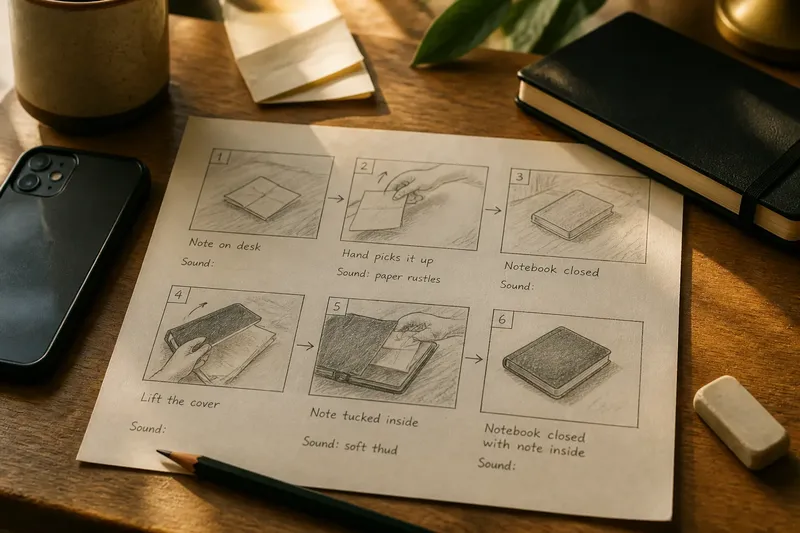
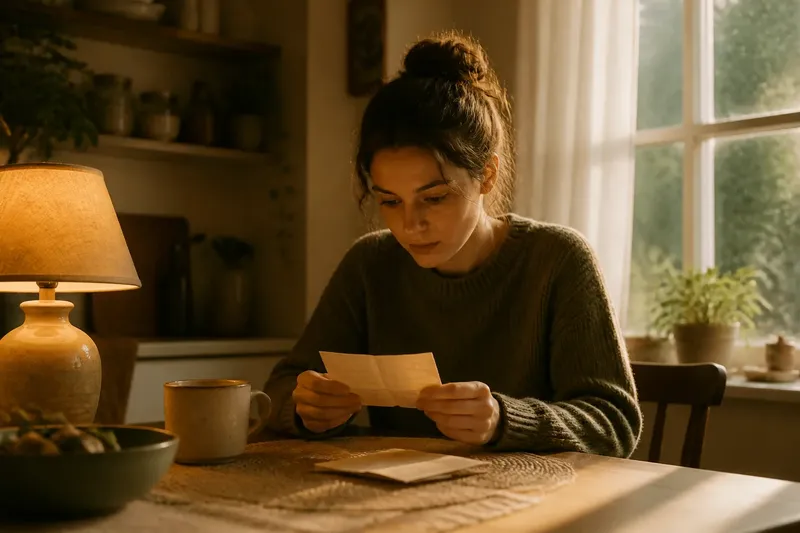
Imagine you are filming an invented scene in which a character finds a note at a kitchen table. The window starts bright, but clouds move across the sky between the discovery shot and a closer shot of the note. If the face visibly darkens, you could wait for the light to settle and repeat both shots, or close the curtain and use a lamp for the whole sequence. The observable goal is that the table, hands, and face retain a coherent look across the edit.
Before recording, make a short visual reference: frame the subject, note the camera position, and take a still image. If the light changes during a break, compare the live frame with that reference. A simple note such as “lamp bounced off the wall, curtain half closed” can help you restore the setup without relying on memory.
Which source fits your room?
Can I mix window and lamp light?
You can, if both sources support the same look and the camera renders them consistently. If skin or walls take on competing color casts, turn one source off or reposition the subject so the mismatch is less noticeable.
How do I soften a harsh lamp?
Try aiming it at a pale wall or ceiling instead of directly at the subject, then check the face and background in the camera preview. Use only a stable setup and keep the lamp’s heat and placement in mind; follow its manufacturer instructions.
What if the window is behind the subject?
Turn the subject toward the window or shift the camera so the bright opening is no longer directly behind them. If the composition requires the window in frame, check whether the face remains readable before recording the full scene.
Which source is easier for several takes?
A lamp often offers steadier output, while a window can work well when its daylight stays consistent. The easier choice is the one you can preserve through the scene without changing the intended mood.
Make the choice
Use window light when its direction suits the shot and the daylight is stable enough for the takes you need. Choose a lamp when you need a repeatable source or the window cannot light the subject well. If uncertain, record a brief clip with each option from the intended camera position, then compare faces, shadows, background, and color on the same screen.
For window light vs. lamp light, the useful question is not which source looks more professional; it is which one your room can hold steady for this scene. Keep the chosen setup simple, record a reference frame, and make any change deliberate. That small habit leaves more attention for the performance and less for fixing avoidable lighting jumps in the edit.